Understanding Lunar Eclipses: Beyond the Basics
A lunar eclipse represents one of nature’s most accessible astronomical phenomena, occurring when Earth positions itself precisely between the Sun and Moon, casting our planet’s shadow across the lunar surface. This celestial alignment, known as syzygy, creates a spectacular visual display that has captivated humanity for millennia while providing modern scientists with invaluable research opportunities.
Unlike their solar counterparts, lunar eclipses offer unique advantages for observation and study. The entire event unfolds over several hours, allowing observers worldwide to witness the gradual transformation of our celestial companion from brilliant silver to deep copper-red, then back again.
The Three Types of Lunar Eclipses Explained
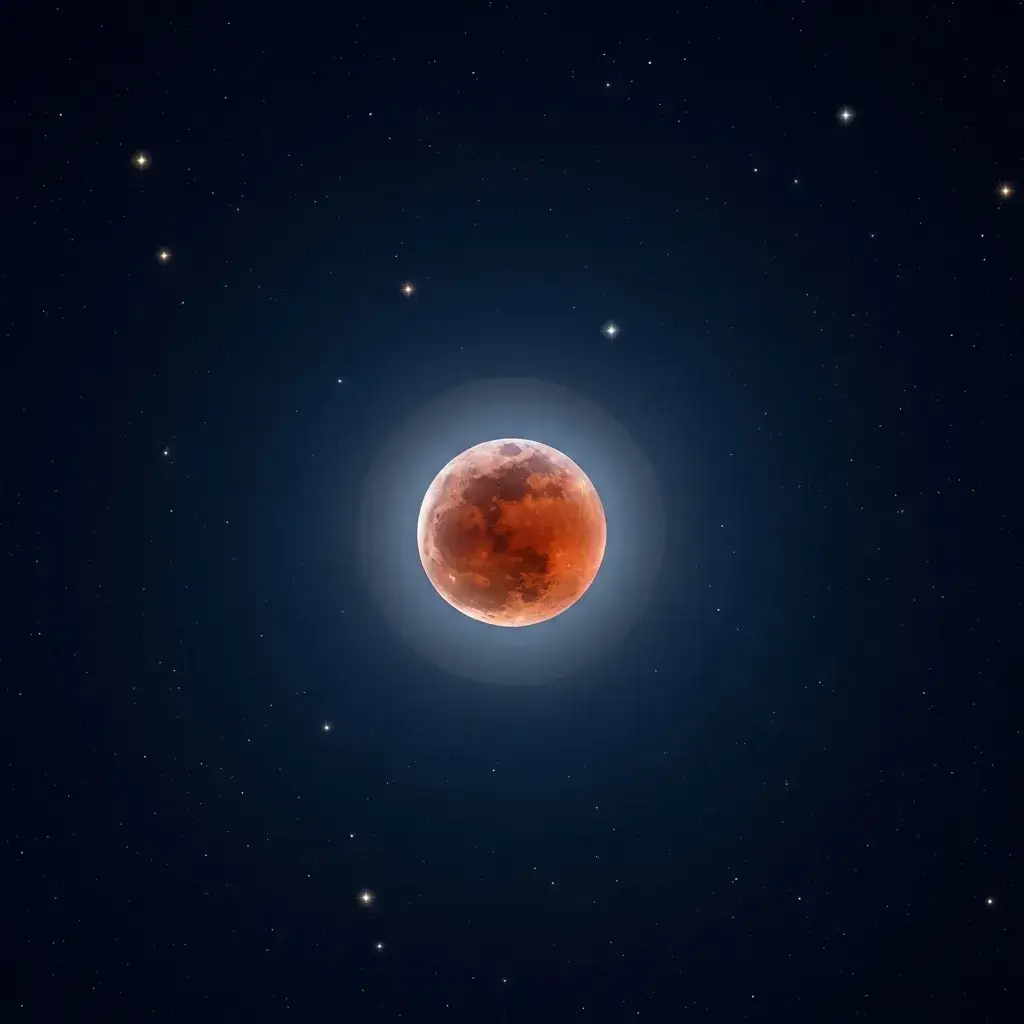
Total Lunar Eclipse
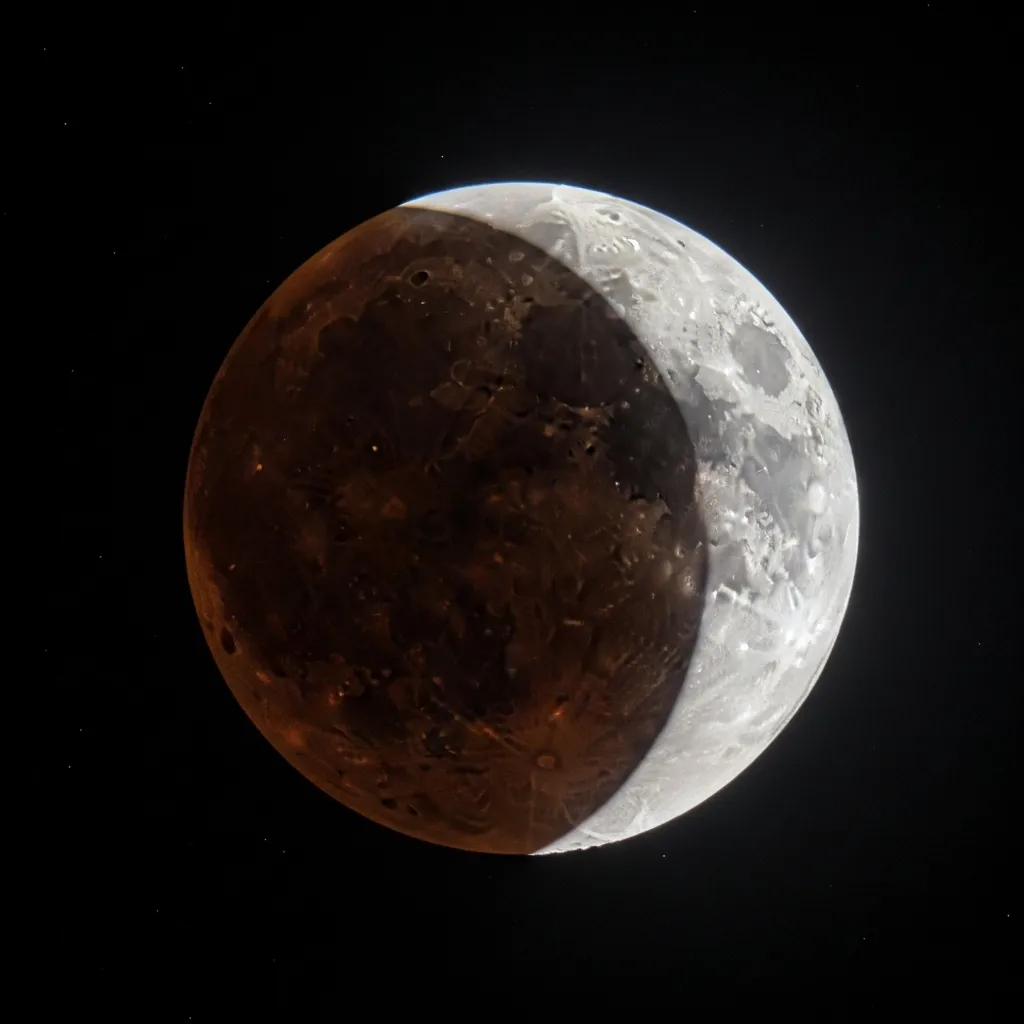
Partial Lunar Eclipse
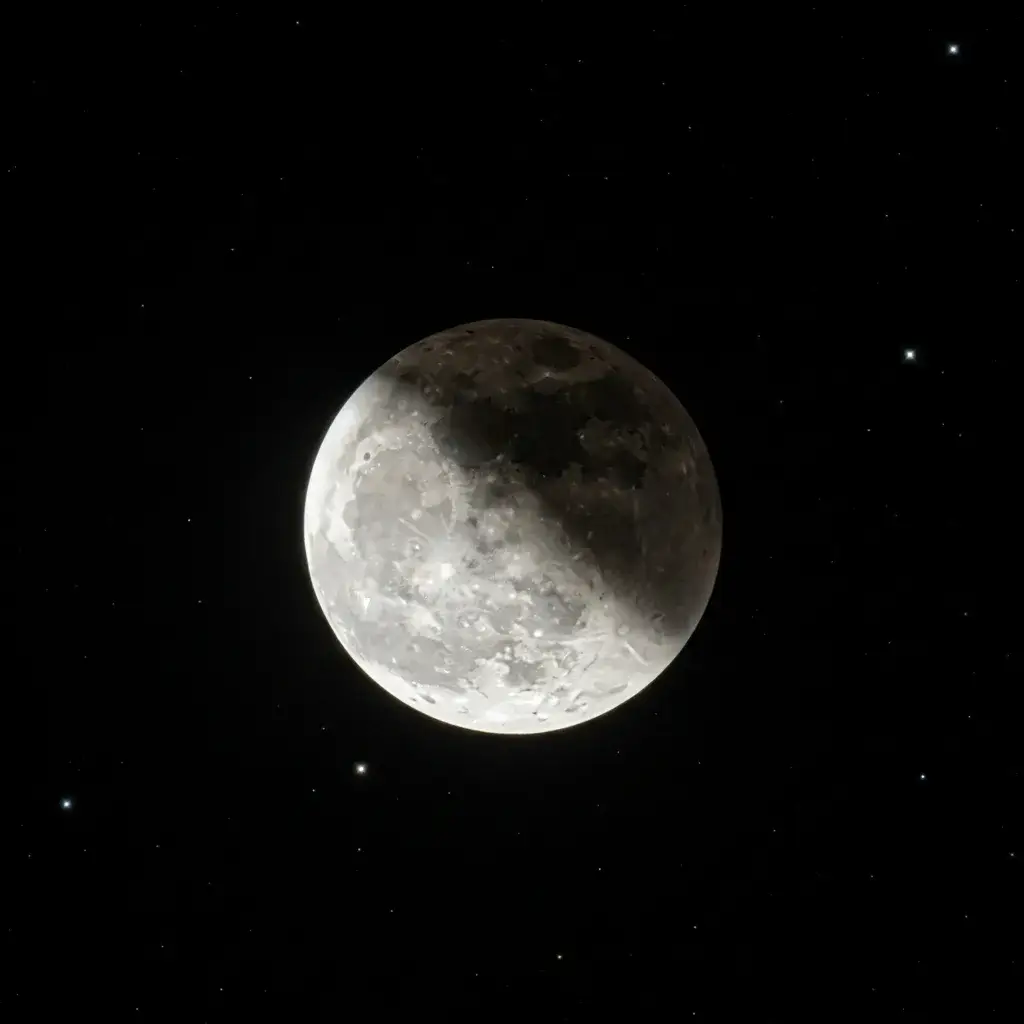
Penumbral Lunar Eclipse
Scientific Effects on Human Health: Evidence-Based Analysis
Physical Health Impact Assessment
Extensive medical research spanning decades has consistently demonstrated that lunar eclipses pose no direct physiological threats to human health. Unlike solar eclipses, which require protective eyewear due to intense solar radiation, lunar eclipses emit only reflected sunlight at significantly reduced intensities.
Key Finding: A 2019 meta-analysis of 47 studies examining lunar effects on human physiology found no statistically significant correlations between lunar eclipses and physical health markers including blood pressure, heart rate variability, or immune function.
Sleep Patterns and Circadian Rhythms
Recent chronobiology research reveals nuanced effects on human sleep patterns during lunar events. Dr. Christian Cajochen’s groundbreaking work at the University of Basel identified measurable changes in melatonin production and sleep architecture during full moons, though eclipse-specific effects remain minimal.
Practical Insight: If you’re sensitive to lunar brightness changes, consider using blackout curtains during eclipse nights to maintain consistent sleep quality.
Psychological and Emotional Responses
The psychological impact of lunar eclipses stems primarily from cultural conditioning and anticipatory anxiety rather than direct physiological effects. However, these responses are real and measurable.
Research Findings: A 2021 study analyzing emergency department visits across 15 major cities found no significant increase in psychiatric emergencies during lunar eclipses, contradicting popular beliefs about heightened emotional instability.
Environmental Effects: Ecosystem Responses
Wildlife Behavioral Changes
Lunar eclipses create temporary disruptions in nocturnal ecosystems, affecting species that rely on moonlight for navigation, hunting, and reproduction.
Documented Observations:
- Nocturnal Birds: Barn owls and nighthawks may temporarily cease hunting during totality, resuming activity as the Moon brightens
- Marine Life: Sea turtles using moonlight for navigation may become disoriented during nesting season eclipses
- Insects: Moth populations show decreased activity levels during the darkest eclipse phases
Atmospheric Research Opportunities
Lunar eclipses serve as natural laboratories for atmospheric science. The Moon’s color and brightness during totality directly correlate with Earth’s atmospheric conditions, particularly stratospheric aerosol content.
The Danjon Scale rates eclipse darkness from 0 (Moon nearly invisible) to 4 (bright copper-red), providing researchers with standardized measurements of atmospheric clarity. This data proves invaluable for tracking volcanic activity impacts and atmospheric pollution levels.
Debunking Persistent Myths with Scientific Evidence
Myth: Pregnancy Risks During Eclipses
The Claim: Pregnant women should avoid eclipse exposure to prevent birth defects.
Scientific Reality: Comprehensive epidemiological studies tracking over 100,000 births occurring during eclipse periods show no increased rates of complications, birth defects, or adverse outcomes. The Moon’s gravitational influence remains constant regardless of its illumination state.
Myth: Food Contamination and Toxicity
The Claim: Food becomes poisonous or loses nutritional value during eclipses.
Scientific Reality: Controlled laboratory studies have repeatedly demonstrated that eclipse conditions produce no measurable changes in food chemistry, bacterial growth rates, or nutritional content. This myth likely originated from food preservation challenges before refrigeration.
Myth: Increased Seismic Activity
The Claim: Lunar eclipses trigger earthquakes due to gravitational alignment.
Scientific Reality: Seismological data from the U.S. Geological Survey covering 150 years of eclipse events reveals no statistically significant correlation between lunar eclipses and earthquake frequency or magnitude. While theoretical tidal stresses exist, they’re far too weak to trigger seismic events.
Practical Eclipse Observation Guide
Essential Preparation Steps
- Location Planning: Find areas with minimal light pollution, ideally 50+ miles from major cities
- Timing Accuracy: Use precise ephemeris data from NASA or astronomical apps for your specific location
- Comfort Considerations: Prepare warm clothing, comfortable seating, and snacks for multi-hour observations
Photography Techniques for Different Skill Levels
Smartphone Photography:
- Use manual camera apps with ISO 400-800
- Employ tripods or stable surfaces for sharp images
- Experiment with exposure bracketing for optimal results
DSLR/Mirrorless Camera Setup:
- Telephoto lenses (200mm+) for detailed surface features
- ISO 400-1600 depending on eclipse phase
- Manual focus on infinity before eclipse begins
Advanced Astrophotography:
- Consider HDR techniques for capturing both eclipse phases and surrounding stars
- Use intervalometers for time-lapse sequences
- Plan compositions including foreground elements for context
Global Cultural Perspectives and Modern Understanding
Historical Significance Across Civilizations
Different cultures developed sophisticated explanations for lunar eclipses, from Norse mythology’s wolves devouring the Moon to Chinese legends of celestial dragons. These stories reveal humanity’s universal drive to understand celestial phenomena.
Archaeological Evidence: Ancient Babylonian clay tablets demonstrate eclipse prediction capabilities dating to 750 BCE, showing remarkable mathematical sophistication despite lacking modern astronomical tools.
Modern Cultural Impact
Contemporary eclipse events continue fostering scientific curiosity and community engagement. The January 2019 “Super Blood Wolf Moon” generated over 2.5 million social media posts worldwide, demonstrating eclipses’ enduring power to unite global audiences in shared wonder.
Health and Safety Guidelines
Safe Observation Practices
Unlike solar eclipses requiring specialized filters, lunar eclipses present no vision hazards. However, consider these comfort and safety factors:
- Extended Observation: Plan for 3-4 hour viewing sessions with appropriate clothing and seating
- Cold Weather Exposure: Many eclipses occur during winter months; dress warmly and stay hydrated
- Location Safety: Choose well-lit parking areas and inform others of your observation plans
Special Considerations for Vulnerable Populations
While eclipses pose no direct health risks, individuals with certain conditions should take standard precautions:
- Light Sensitivity: Those with migraine triggers may want to limit extended moon-gazing
- Balance Issues: Elderly observers should use stable seating and avoid uneven terrain in darkness
- Medication Schedules: No adjustments needed for any medications during eclipse periods
Future Eclipse Predictions and Planning
Upcoming Notable Eclipses
November 8, 2025: Total lunar eclipse visible from Asia, Australia, and western North America – optimal viewing from Pacific time zones
March 14, 2026: Total lunar eclipse favoring eastern North America and Europe – prime viewing for Atlantic coast observers
September 7, 2026: Partial lunar eclipse visible globally – excellent starter eclipse for new observers
Long-term Eclipse Cycles
Understanding the 18-year, 11-day Saros cycle helps predict eclipse timing and characteristics. Each Saros series produces similar eclipses for approximately 1,200-1,500 years before ending, providing astronomers with powerful predictive tools.
Conclusion: Embracing Scientific Wonder
Lunar eclipses represent perfect intersections of scientific education and natural beauty. Rather than sources of fear or superstition, these celestial events offer opportunities to connect with our universe’s underlying mechanics while appreciating phenomena visible to every human throughout history.
By understanding the science behind lunar eclipses – from atmospheric optics creating the Moon’s red glow to gravitational mechanics enabling precise predictions centuries in advance – we gain deeper appreciation for both the events themselves and humanity’s remarkable journey from mythological explanations to scientific understanding.
The next lunar eclipse presents not just a beautiful spectacle, but a chance to participate in the same sense of wonder that has driven human curiosity and scientific advancement for millennia. Armed with accurate information and realistic expectations, observers can fully embrace these remarkable celestial performances while contributing to the ongoing human story of discovery and understanding.
Very interesting.
Most of the facts I didn’t know before..